


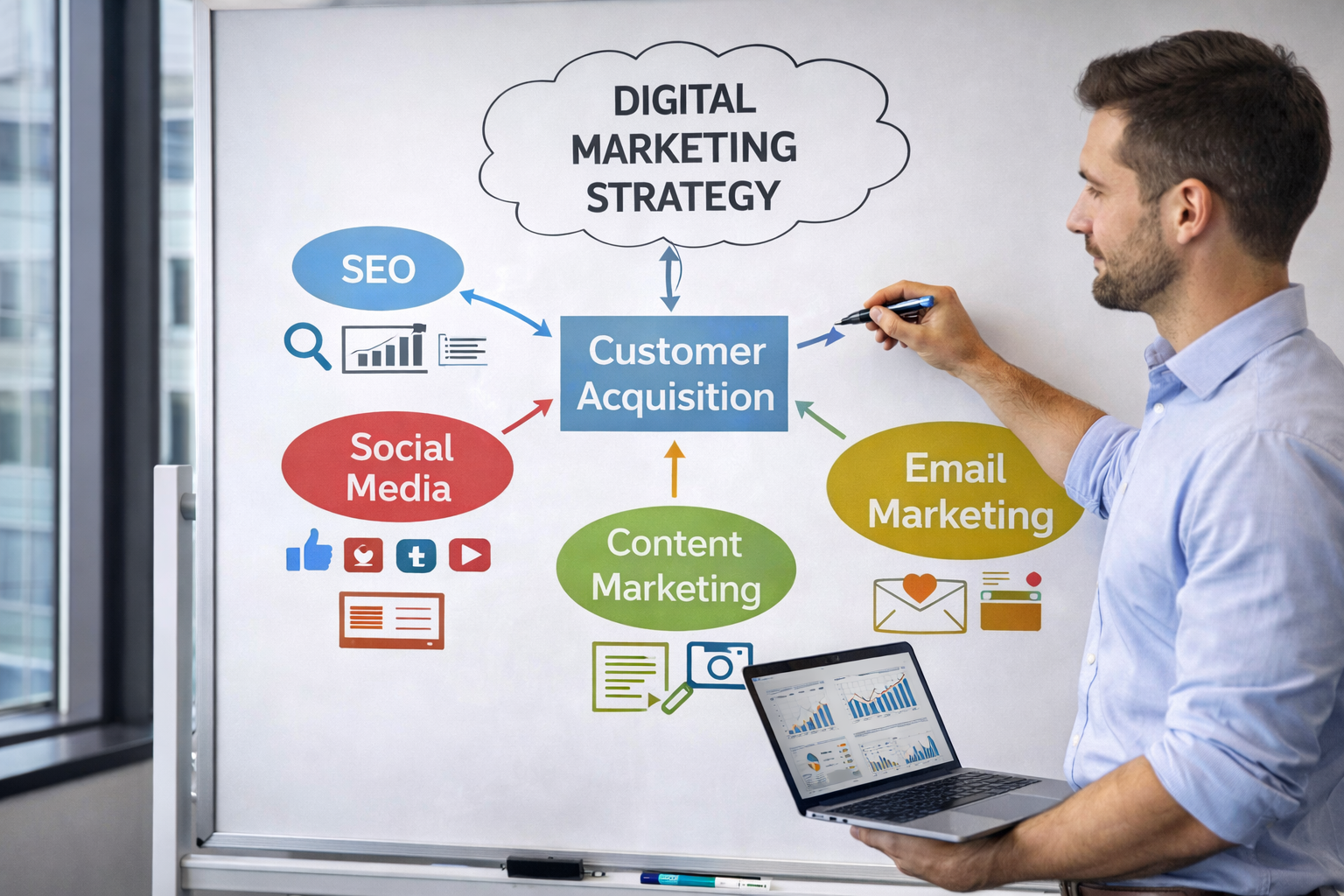
In today’s competitive digital economy, businesses must consistently find ways to attract new customers and grow their market share. A well-planned customer acquisition techniques allows companies to identify potential buyers, engage them effectively, and convert them into loyal customers. Without strong acquisition strategies, even the most innovative products or services may struggle to gain traction.
Modern customer acquisition is no longer limited to traditional advertising or sales calls. Technology, data analytics, and digital marketing platforms have transformed the way businesses discover and convert new customers. By applying the right customer acquisition techniques, organizations can increase brand visibility, generate qualified leads, and improve long-term revenue.
This article explores the most effective customer acquisition techniques, how businesses implement them, and why they are essential for sustainable growth.
What Is a Customer Acquisition Techniques?
A customer acquisition technique refers to any strategy or method used by a business to attract new customers and convert them into paying clients. These techniques often combine marketing, sales, and technology to guide potential buyers through the decision-making process.
Customer acquisition typically involves several stages:
- Awareness – introducing potential customers to a brand
- Interest – educating prospects about products or services
- Consideration – building trust and demonstrating value
- Conversion – turning prospects into paying customers
Successful acquisition techniques focus on optimizing every stage of this journey.
Why Customer Acquisition Techniques Matter
Customer acquisition techniques are critical because they directly influence business growth and profitability.
1. Driving Business Growth
Every company needs new customers to expand. Effective acquisition strategies help businesses reach larger audiences and convert prospects into revenue.
2. Increasing Market Competitiveness
Companies that consistently acquire new customers maintain a competitive advantage. They can expand their market share and strengthen brand recognition.
3. Supporting Revenue Stability
Relying only on existing customers can limit growth potential. A strong acquisition strategy ensures a steady flow of new buyers entering the sales pipeline.
4. Optimizing Marketing Investments
Modern acquisition techniques rely heavily on data analytics. Businesses can measure campaign performance and allocate budgets to the most effective channels.
Top Customer Acquisition Techniques Used by Modern Businesses
Organizations use a variety of techniques to attract customers. The most successful strategies often combine multiple marketing channels.
Search Engine Optimization (SEO)
Search engine optimization is one of the most powerful customer acquisition techniques in digital marketing. SEO helps businesses rank higher in search engine results, making it easier for potential customers to discover their products or services.
Effective SEO strategies include:
- keyword research and optimization
- high-quality content creation
- technical website optimization
- backlink development
When businesses rank for relevant search queries, they can attract consistent organic traffic without relying heavily on paid advertising.
Content Marketing
Content marketing is another effective customer acquisition technique. By publishing valuable information, companies can educate potential customers and build trust before a purchase decision is made.
Examples of content marketing include:
- blog articles
- whitepapers and reports
- instructional videos
- case studies
- educational guides
High-quality content improves brand credibility and positions companies as industry experts.
Social Media Marketing
Social media platforms have become powerful tools for reaching large audiences and engaging potential customers.
Businesses use social media to:
- promote products and services
- build relationships with followers
- share educational or entertaining content
- drive traffic to websites and landing pages
Platforms such as LinkedIn, Facebook, Instagram, and X allow businesses to target specific audiences using advanced advertising tools.
Email Marketing Campaigns
Email marketing remains one of the most cost-effective customer acquisition techniques available. Companies use email campaigns to nurture leads and guide them toward conversion.
Typical email marketing strategies include:
- welcome email sequences
- promotional campaigns
- product announcements
- educational newsletters
When combined with personalization and segmentation, email marketing can significantly improve conversion rates.
Paid Advertising and Pay-Per-Click Campaigns
Paid advertising enables businesses to reach potential customers quickly. Platforms such as Google Ads and social media advertising networks allow companies to display targeted advertisements to users who match specific demographics or interests.
Common forms of paid advertising include:
- search engine advertising
- social media ads
- display advertising
- retargeting campaigns
These strategies allow businesses to generate immediate traffic while building brand awareness.
Referral and Affiliate Marketing
Referral programs encourage existing customers to recommend products or services to others. Because people often trust recommendations from friends or colleagues, referral marketing can be a powerful acquisition technique.
Businesses may offer incentives such as:
- discounts
- rewards points
- cash bonuses
- free products
Affiliate marketing works similarly by rewarding partners who promote products to their audiences.
Product-Led Customer Acquisition
Product-led growth is a modern customer acquisition technique used primarily by software and digital product companies. In this model, the product itself drives customer acquisition.
Common product-led strategies include:
- free trial offers
- freemium subscription models
- interactive product demos
- self-service onboarding
These strategies allow users to experience the value of a product before making a purchasing decision.
Influencer and Partnership Marketing
Influencer marketing involves collaborating with industry experts, content creators, or thought leaders who have established audiences.
Businesses partner with influencers to:
- promote products through authentic recommendations
- reach new customer segments
- increase brand credibility
Strategic partnerships with complementary brands can also help companies expand their customer base.
Data-Driven Customer Acquisition
Modern customer acquisition techniques rely heavily on data analytics. Businesses analyze user behavior, marketing performance, and customer interactions to improve acquisition strategies.
Data-driven insights help companies:
- identify high-performing marketing channels
- optimize advertising campaigns
- personalize customer experiences
- improve lead conversion rates
Using analytics tools allows businesses to continuously refine their acquisition strategies.
Measuring Customer Acquisition Performance
To determine whether acquisition strategies are successful, companies track several key performance metrics.
Customer Acquisition Cost (CAC)
Customer acquisition cost measures the average expense required to acquire a new customer. Businesses calculate this metric by dividing total marketing and sales expenses by the number of customers acquired.
Conversion Rate
Conversion rate measures the percentage of visitors who take a desired action, such as signing up or making a purchase.
Customer Lifetime Value (CLV)
Customer lifetime value estimates the total revenue a business expects to generate from a customer during their relationship with the company.
These metrics help businesses determine whether their acquisition techniques are profitable.
Common Challenges in Customer Acquisition
While acquisition strategies are essential for growth, businesses often encounter challenges during the process.
Some common obstacles include:
- increasing advertising costs
- intense market competition
- low conversion rates
- inefficient marketing channels
To overcome these challenges, organizations must continuously test and optimize their acquisition strategies.
The Future of Customer Acquisition Techniques
Customer acquisition is evolving rapidly as new technologies emerge. Artificial intelligence, machine learning, and predictive analytics are transforming how businesses identify and engage potential customers.
Advanced technologies now allow companies to:
- analyze large volumes of customer data
- predict purchasing behavior
- automate marketing campaigns
- personalize customer experiences at scale
Businesses that adopt innovative customer acquisition techniques will be better positioned to compete in the digital marketplace.
Conclusion
A well-designed customer acquisition techniques is essential for businesses seeking sustainable growth. By combining digital marketing strategies such as SEO, content marketing, social media engagement, and data-driven analytics, organizations can attract new customers and expand their market presence.
Successful customer acquisition requires continuous optimization, experimentation, and measurement. Companies that invest in modern acquisition strategies will be able to generate consistent leads, increase conversion rates, and build long-term customer relationships.
In an increasingly competitive digital environment, mastering customer acquisition techniques is one of the most important steps toward achieving lasting business success.